We regret to say that SaferwaterS and CPRE Oxfordshire have lost a Judicial Review in which they called into question the decision by Steve Reed, Secretary of State for the Environment, to wave through the proposed reservoir.
At 4.30 this afternoon SaferwaterS and CPRE Oxfordshire discovered that the Judge had found against them and that he did not consider the Secretary of State to have acted illegally or irrationally. They are deeply disappointed, but gave it their best shot.
The next step will be to consider how best to oppose Thames Water’s reservoir plans. Contesting the Development Consent Order in 2026 is a likely goal for GARD and SaferwaterS.
GARD chair, Derek Stork will be on Radio Oxford breakfast show at 7.20am, and Lisa Warne of CPRE Oxfordshire will be on at 8.20am. Please tune in and call the presenters on the number they give.
Meanwhile, please find below the press release, which has gone out this afternoon.
The High Court has dismissed the challenge of the government’s decision not to hold a public inquiry into the controversial Abingdon Reservoir, part of Thames Water’s Water Resource Management Plan (WRMP), despite SAFERWaterS and CPRE Oxfordshire raising concerns about lack of transparency, ecological risk, misleading forecasts and financial recklessness.
The decision follows a two-day Judicial Review brought by SAFERWaterS and CPRE Oxfordshire, who argued the government acted unlawfully and irrationally in approving Thames Water’s WRMP without adequate public consultation.
“We are deeply disappointed, and our concern is with the communities, landscapes, and ecosystems that stand to be profoundly affected,” said Lisa Warne of CPRE. “While we are not opposed to large infrastructure projects in principle, this ruling paves the way for one of the UK’s most environmentally and economically questionable schemes to proceed without the rigorous public scrutiny it rightly deserves.”
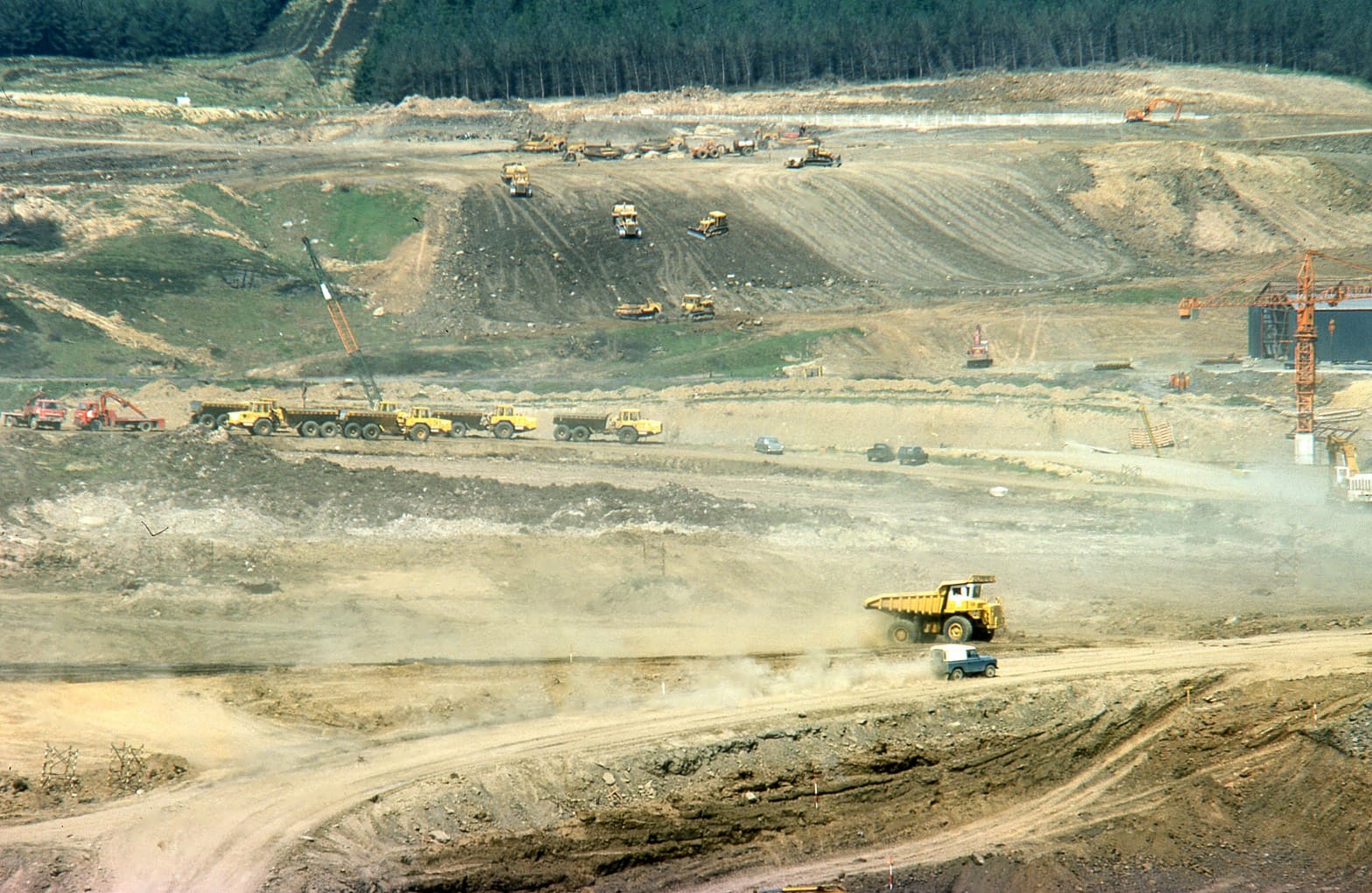
At 150 billion litres, SESRO would be the largest earth-banked reservoir in Europe, projected by Ofwat to cost £2.7bn, taking a decade to build and two years to fill, yet its development has overlooked major flaws in fundamental feasibility and finance planning, leaving billpayers exposed to spiralling costs.
Megaprojects such as this are almost guaranteed to run over time and over budget. In his book, The Oxford Handbook of Megaproject Management, Oxford University professor, Bent Flyvbjerg, proposed the Iron Law of Megaprojects: “Over budget, over time, under-benefits, over and over again.”
Thames Water has already overrun the schedule for its Clay Compaction Trial, which SAFERWaterS claims is not fit for purpose:
“This very small trial, even now it is completed, won’t reveal anything useful about the proposed 25-metre high embankment – whether it is safe or how much it would cost. Recent experience on the much smaller Havant Thicket Reservoir project has shown how costs can spiral close to 100% extra, once the clay and soil conditions are properly investigated. This shows how the whole Water Resource planning framework is totally unfit for purpose, as it does not insist that key factors for reservoirs are investigated at an early stage, rather than late on, once the alternatives have been shelved.”
Campaigners also warned that the scheme threatens local ecology, carries major flood risks, and would divert billions of customers’ bill money from much-needed sewage clean-up to hard infrastructure designed to inflate shareholder value.
Meanwhile, alternative resource schemes, such as the Severn–Thames Transfer, which would be scalable, delivered faster and cost less, have been overlooked.
Derek Stork of SAFERWaterS said:
“This is far from over. As a small group with limited resources we’re up against corporate giants, but we will continue to fight for accountability, sustainability, and a smarter approach to water management. We have lodged a preliminary appeal against the Judgment to the Court of Appeal’’.